Store Cards vs Credit Cards: Which Is Better for Your UK Credit Score?
10th Jan 2026
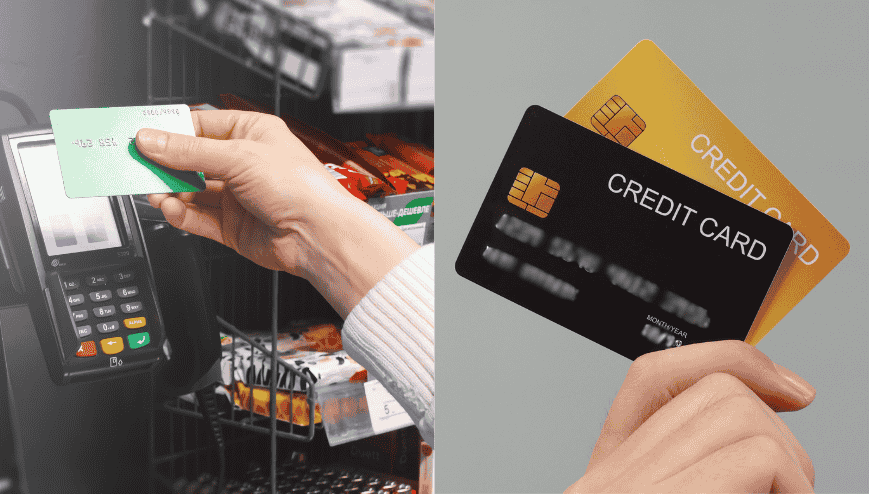
When you’re at the checkout in Argos, Marks & Spencer, or John Lewis and the cashier offers 10% off with a new store card, it can be tempting to accept. But before you sign up, it’s important to understand how store cards compare to traditional credit cards - and which option is better for your UK credit score.
Your credit rating is an important factor when applying for mortgages, loans, or even renting a home. Making the wrong choice could affect your financial health. In this guide, we’ll explore how store cards and credit cards affect your credit score, and how to manage them responsibly.
What Are Store Cards and How Do They Work?
Store cards are credit accounts that can only be used at a specific retailer or group of stores. Popular UK examples include the Argos Card, M&S Credit Card, Next Account, John Lewis Partnership Card, and Very Store Card.
Store cards are designed to encourage loyalty, offering discounts, early access to sales, and rewards points. When you apply for one, the retailer or financial institution will perform a credit check online to assess your eligibility. If approved, you receive a credit limit to use exclusively at that store.
Key features of UK store cards:
- · Initial discount offers, usually 10–20% off your first purchase
- · Interest-free promotional periods on certain products
- · Loyalty points or reward schemes
- · Higher interest rates than standard credit cards (typically 29.9-39.9% APR in the UK)
How Traditional Credit Cards Work in the UK
Unlike store cards, traditional credit cards are accepted at millions of locations across the UK and worldwide. Providers such as Barclaycard, NatWest, Lloyds, Santander, and American Express offer different types:
- · Standard credit cards for everyday spending
- · Rewards credit cards offering cashback or points (Avios, Nectar)
- · Balance transfer cards with 0% introductory rates
- · Credit builder cards for those with limited credit history
When you check your credit score online, both store cards and credit cards appear on your credit report from UK credit reference agencies such as Experian, Equifax, and TransUnion. Both account types affect your credit rating, but not always equally.
How Store Cards Affect Your UK Credit Score
Opening a store card can impact your credit rating in several ways:
- · Hard Credit Search: Each application triggers a hard credit check. Multiple applications in a short time can lower your score, as lenders may view it as financial stress.
- · Account Age: Opening a new account reduces the average age of your credit accounts. Account age contributes to 15% of your credit score.
- · Credit Utilisation: Store cards usually have lower limits (£250-£1,500). High usage can increase your credit utilisation ratio, negatively affecting your score.
- · Payment History: On-time payments are reported to UK credit reference agencies, helping your credit rating. Payment history accounts for 35% of your score.
- · Credit Mix: Store cards are “closed-loop” credit products. UK lenders prefer a variety of credit types, making traditional credit cards more favourable.
How Credit Cards Impact Your UK Credit Score
Traditional credit cards work similarly but have several advantages:
- · Credit Mix: Open-loop accounts, like credit cards, show lenders you can manage versatile credit responsibly.
- · Favourable Terms: Lower interest rates (18-25% APR) and higher limits (£1,000-£10,000+) make it easier to maintain a healthy utilisation ratio.
- · Flexibility: Accepted across the UK and internationally, useful for emergencies or online shopping.
- · Introductory Offers: Many cards offer 0% interest on purchases for 12-28 months, helping you maintain low balances and improve your credit profile.
Direct Comparison: Store Cards vs Credit Cards
|
Factor |
Store Cards |
Credit Cards |
Winner |
|
Credit Utilisation |
Easy to exceed limits (£250-£1,500) |
Higher limits (£1,000-£10,000+) |
Credit Cards |
|
Payment History |
Positive if paid on time |
Positive if paid on time |
Draw |
|
Credit Mix |
Closed-loop |
Open-loop |
Credit Cards |
|
Account Age |
Reduces average account age |
Reduces average age but often kept longer |
Draw |
|
Interest Rates |
High (29.9-39.9% APR) |
Lower (18-25% APR) |
Credit Cards |
When Store Cards Can Be Useful
Despite the drawbacks, store cards can be beneficial in certain situations:
- · You are credit invisible in the UK and need to start building a credit history
- · You shop regularly at a specific retailer and pay off your balance in full each month
- · You want to take advantage of interest-free promotional periods for planned purchases
- · Rewards from the store card exceed what your credit card offers for your usual shopping
The key is to use store cards strategically: low utilisation, timely payments, and responsible spending.
Best Practices to Protect Your Credit Score in the UK
Before Applying:
- · Use a free credit score checker to see your current position
- · Check eligibility with a soft search that doesn’t affect your score
- · Only apply when necessary
After Opening an Account:
- · Set up a Direct Debit for at least the minimum payment
- · Keep credit utilisation below 30% (or 25% if applying for mortgages soon)
- · Regularly check your credit score online
- · Don’t close old accounts unnecessarily
- · Ensure you’re on the electoral roll
Regular Monitoring:
- · Conduct a credit check online quarterly
- · Review your credit report from TransUnion, Experian, or Equifax for errors
- · Track how accounts affect your credit rating
- · Check for financial associations that could impact your score
FAQs About Store Cards, Credit Cards, and Credit Scores
Q1: Will opening a store card hurt my credit score?
A: If used responsibly, a store card won’t hurt your score long-term. Avoid multiple applications in a short time and pay on time.
Q2: Can I check my credit score for free in the UK?
A: Yes. You can use a free credit score checker from Credit Check Online to see your score and monitor your accounts.
Q3: Which is better for building credit in the UK, store cards or credit cards?
A: Traditional credit cards are usually better for building credit because they improve your credit mix and offer higher limits.
Q4: Do missed payments on a store card affect my credit score?
A: Yes. Missed payments are reported to UK credit reference agencies and can lower your score quickly due to higher interest rates.
Q5: How often should I check my credit report?
A: At least quarterly, or before applying for major credit like a mortgage, loan, or car finance. Use Credit Check Online for a comprehensive UK credit report.
Final Words: Store Cards vs Credit Cards in the UK
For most UK consumers, traditional credit cards are the safer choice. They offer flexibility, better terms, higher limits, and improve your credit mix, which are all factors lenders look at when conducting a credit score check.
Store cards are not inherently bad, but they should be used strategically and sparingly. Treat them as tools for specific purchases rather than primary credit accounts.
Take Control of Your Credit Today
Want to know how your store cards and credit cards are impacting your UK credit score? Check your credit score online today with Credit Check Online. For just £1.95, get a detailed TransUnion report and monitor your credit management choices. Understanding your credit profile is the first step toward smarter financial decisions and stronger credit health.
Don't risk missing
something important
Access a comprehensive credit report
that includes detailed data from TransUnion
View your credit score for only £1.95.
You can view it for 1 month, after which it will be £14.95 per month unless cancelled.
See How You Score
See How You Score
An Independent View Of Your Credit Score
Lenders typically use their own systems to calculate your Credit Score based on the information in your Credit Report, often checking with one or more Credit Reference Agencies. Your Credit Check Online Credit Score is derived from all the Credit Report information we gather from TransUnion, helping you understand how you might be assessed when applying for credit.
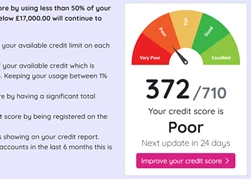
Understand What is Affecting Your Credit Score
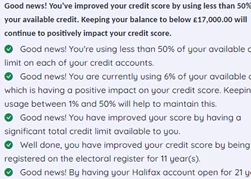
Quickly see how the details in your Credit Report influence your Credit Check Online Credit Score, both positively and negatively. This clear overview helps you identify areas for improvement and better understand the factors that lenders consider when assessing your creditworthiness.
View your credit score for only £1.95.
You can view it for 1 month, after which it will be £14.95 per month unless cancelled.