The Connection Between Bank Overdrafts and Your Credit Score
6th Feb 2026
Bank overdrafts are a common financial tool in the UK, offering short-term flexibility when money is tight. However, many people are unsure how overdrafts affect their credit profile. Understanding the connection between bank overdrafts and your credit score can help you manage borrowing more responsibly and avoid unnecessary damage to your financial record.
What Is a Bank Overdraft?
A bank overdraft allows you to spend more money than you have in your current account, up to an agreed limit. Arranged overdrafts are approved by your bank and usually come with fees or interest, while unarranged overdrafts occur when you exceed your balance or limit without permission.
Both types can influence your credit score, depending on how they are used and managed.
How Overdrafts Appear on Your Credit Report
In the UK, arranged overdrafts are reported to credit reference agencies as a form of borrowing. This means they appear on your credit file alongside loans and credit cards. Lenders can see your overdraft limit, how much you use, and whether you stay within agreed terms.
Unarranged overdrafts, missed fees, or persistent overuse can signal financial stress, which may negatively affect how lenders assess your creditworthiness.
When Overdrafts Can Harm Your Credit Score
Overdrafts tend to harm your credit score when they are mismanaged. Regularly exceeding your agreed limit, failing to pay overdraft fees, or having charges passed to collections can all result in negative markers on your credit file.
Even if you remain within your limit, consistently using a high percentage of your overdraft can be viewed unfavourably by lenders, as it suggests reliance on short-term borrowing to cover everyday expenses.
Can Overdrafts Help Your Credit Score?
Used responsibly, an arranged overdraft can have a neutral or slightly positive impact. Staying within your limit, clearing your overdraft regularly, and avoiding fees demonstrates good financial management.
Lenders prefer to see that you have access to credit but do not rely on it heavily. Keeping overdraft usage low and temporary is key to maintaining a healthier credit profile.
How to Manage Overdrafts More Effectively
If you rely on an overdraft often, it may be a sign that budgeting adjustments are needed. Reducing usage over time, setting alerts for low balances, and reviewing cheaper credit alternatives can help protect your score.
Regularly checking your credit report through services like CreditCheckOnline allows you to see how overdrafts are recorded and spot any issues early.
FAQs
Do bank overdrafts affect your credit score in the UK?
Yes. Arranged overdrafts appear on your credit report and can affect your score depending on how they are used.
Is an unarranged overdraft worse than an arranged one?
Yes. Unarranged overdrafts are viewed more negatively and may lead to fees or adverse credit markers.
Does paying off an overdraft improve your credit score?
Reducing or clearing overdraft usage can improve how lenders view your credit profile over time.
How much overdraft usage is too much?
Regularly using most or all of your limit may signal financial difficulty and impact your score.
Should I close my overdraft to improve my credit score?
Not always. Keeping it open but unused can be better than relying on it frequently.
Don't risk missing
something important
Access a comprehensive credit report
that includes detailed data from TransUnion
View your credit score for only £1.95.
You can view it for 1 month, after which it will be £14.95 per month unless cancelled.
See How You Score
See How You Score
An Independent View Of Your Credit Score
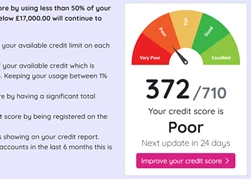
Lenders typically use their own systems to calculate your Credit Score based on the information in your Credit Report, often checking with one or more Credit Reference Agencies. Your Credit Check Online Credit Score is derived from all the Credit Report information we gather from TransUnion, helping you understand how you might be assessed when applying for credit.
Understand What is Affecting Your Credit Score
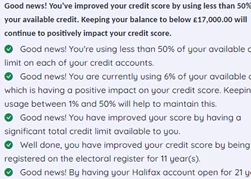
Quickly see how the details in your Credit Report influence your Credit Check Online Credit Score, both positively and negatively. This clear overview helps you identify areas for improvement and better understand the factors that lenders consider when assessing your creditworthiness.
View your credit score for only £1.95.
You can view it for 1 month, after which it will be £14.95 per month unless cancelled.