Check Credit Report History for Medical Debt: New 2026 Rules Explained

17th Feb 2026
If you haven’t taken time to check credit report history recently, 2026 is the year to prioritise it. Updated reporting standards around medical debt are changing how certain debts appear on credit files, how long they remain visible, and how lenders interpret them during affordability checks.
For consumers completing a credit history check UK, these changes are particularly important. Medical debt has historically caused unexpected credit score damage, often without individuals realising a balance even existed. The new rules aim to reduce unfair long-term harm — but they do not eliminate the need for active monitoring.
This guide explains how medical debt affects your credit file, what the 2026 rules mean in practical terms, and why checking your report regularly is essential.
Why You Must Check Credit Report History Regularly
Your credit report is far more than a simple score. It is a detailed financial record that lenders use to assess your reliability and risk level. When you complete a check credit report history, you are reviewing a document that contains active and closed credit accounts, payment histories, missed payments, defaults, collection accounts, public records, and credit searches made by lenders.
Medical debt often creates issues because it does not function like traditional borrowing. A credit card or loan is something you apply for knowingly. Medical charges, on the other hand, may arise unexpectedly. Private treatment invoices, insurance shortfalls, administrative errors, disputed charges, or delayed claim processing can all result in balances being recorded. In many cases, individuals are unaware a debt exists until it appears during a credit history check UK or after a declined finance application.
Without regular monitoring, incorrect entries can remain on your file for years. Even small balances can trigger automated risk flags in lender systems. Checking your report ensures you are not caught off guard when applying for a mortgage, car finance, or personal loan.
Understanding the 2026 Medical Debt Reporting Changes
The 2026 updates are designed to make credit reporting fairer for consumers dealing with healthcare costs. Previously, medical debt could be reported relatively quickly, and even low balances could significantly reduce a credit score. The new rules introduce several adjustments that shift this approach.
First, there is now a longer waiting period before certain medical debts can appear on credit files. This gives consumers more time to resolve insurance claims or billing disputes before any negative reporting takes place. Since healthcare billing is often complex, this change prevents premature damage to credit profiles.
Second, smaller medical balances under defined thresholds may no longer be recorded. This prevents minor administrative issues from having a disproportionate impact. In the past, even modest amounts could trigger a default or collection entry.
Third, paid medical debts may now be updated or removed more quickly than before. However, it is important to understand that these improvements do not automatically correct older records. You still need to check credit report history to confirm that your file reflects accurate and up-to-date information.
How Medical Debt Appears on a UK Credit File
When you perform a credit history check UK, medical debt is not always labelled clearly. It may appear under the name of a collection agency rather than a healthcare provider. In some cases, it shows as a defaulted account, a partially settled balance, or a missed payment record.
Because of this, reviewing your report carefully is essential. You should examine account names, start dates, default dates, current balances, and status updates. Errors commonly occur in the reporting date, which affects how long the entry remains on file. Duplicate entries are another frequent issue, where the same balance appears more than once under different reporting entities.
Lenders rely heavily on automated systems. If a medical collection appears recent or unresolved, it may trigger a higher risk rating. That is why conducting a thorough check credit report history is critical before applying for any form of finance.
The Real Impact of Medical Debt on Your Credit Score
Medical debt can influence your credit profile in several ways. Your payment history is one of the most significant factors in credit scoring models. If a medical bill progresses to a missed payment or default status, it can reduce your score considerably.
Even if the amount is small, the presence of a collection account signals financial distress to lenders. This may result in higher interest rates, lower credit limits, or application rejections. For mortgage applicants, lenders often request explanations for any defaults or collections, particularly if they are recent.
Completing a credit history check UK well before making a financial application gives you time to address any issues. Settling balances, disputing inaccuracies, or waiting for older entries to age can improve your approval chances significantly.
Why Monitoring Before Major Applications Is Essential
Applying for a mortgage, car finance agreement, or large personal loan without reviewing your credit report first is a major risk. Many applicants assume that because they have not missed obvious payments, their record is clean. Unfortunately, medical billing errors are common, and unrecognised debts can remain unnoticed.
By taking time to check credit report history, you gain clarity on exactly what lenders will see. This allows you to correct mistakes before they affect your borrowing power. It also gives you the opportunity to strengthen your profile by reducing outstanding balances or ensuring settled debts are recorded properly.
You can review your full credit profile securely at: https://creditcheckonline.co.uk/
Being proactive rather than reactive can save you stress, application fees, and potential rejections.
What To Do If You Discover Medical Debt
If medical debt appears during your credit history check UK, the first step is not to panic. Carefully verify that the account belongs to you and that the balance and dates are correct. Request documentation if necessary to confirm legitimacy.
If the entry contains errors, you have the right to dispute it. Provide supporting evidence such as payment confirmations or correspondence showing insurance resolution. Under the 2026 protections, dispute handling processes have been strengthened, giving consumers clearer pathways to challenge incorrect reporting.
After any correction or settlement, perform another check credit report history to ensure the update has been applied. Monitoring the follow-up stage is just as important as raising the initial dispute.
Long-Term Credit Protection in 2026 and Beyond
While the new rules are a positive development, they do not replace responsible credit management. Regular monitoring remains one of the most effective tools for protecting your financial standing. A routine credit history check UK allows you to track improvements, identify suspicious activity, and understand how your profile evolves over time.
Healthcare billing systems are complex, and mistakes can still happen. The best defence against unexpected credit damage is visibility. When you know what is on your file, you are in control.
Frequently Asked Questions
Do the 2026 rules automatically remove old medical debt?
No. The updated standards change how new reporting is handled and may improve removal timelines, but they do not automatically erase older entries. You must still complete a check credit report history to identify and dispute inaccuracies.
Can small medical balances still affect my credit score?
Under new guidelines, some lower-value balances may no longer be reported. However, larger or unresolved debts can still appear and influence your score.
How long can medical debt remain on a UK credit report?
This depends on the reporting status. Defaulted accounts can remain for several years from the default date, even if later settled. Checking dates during a credit history check UK is crucial.
Will paying medical debt instantly improve my score?
Improvements can occur over time, but the impact depends on how the account was recorded. Settling debt generally strengthens your profile, especially before applying for credit.
How often should I check my credit report?
It is advisable to perform a check credit report history every three to six months, and always before major financial applications.
Final Thoughts
Medical debt has historically caused unexpected and sometimes unfair credit damage. The 2026 reporting changes introduce stronger protections, but they do not eliminate the need for regular monitoring.
Your credit file influences mortgage approvals, loan terms, interest rates, and financial opportunities. Taking time to complete a thorough credit history check UK ensures that no inaccurate or outdated medical debt stands between you and your financial goals.
If you have not reviewed your credit file recently, now is the time to take control and stay informed.
Don't risk missing
something important
Access a comprehensive credit report
that includes detailed data from TransUnion
View your credit score for only £1.95.
You can view it for 1 month, after which it will be £14.95 per month unless cancelled.
See How You Score
See How You Score
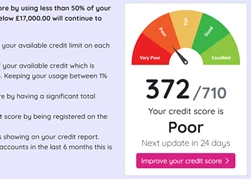
An Independent View Of Your Credit Score
Lenders typically use their own systems to calculate your Credit Score based on the information in your Credit Report, often checking with one or more Credit Reference Agencies. Your Credit Check Online Credit Score is derived from all the Credit Report information we gather from TransUnion, helping you understand how you might be assessed when applying for credit.
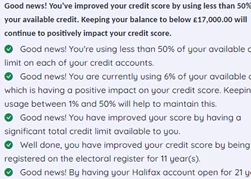
Understand What is Affecting Your Credit Score
Quickly see how the details in your Credit Report influence your Credit Check Online Credit Score, both positively and negatively. This clear overview helps you identify areas for improvement and better understand the factors that lenders consider when assessing your creditworthiness.
View your credit score for only £1.95.
You can view it for 1 month, after which it will be £14.95 per month unless cancelled.